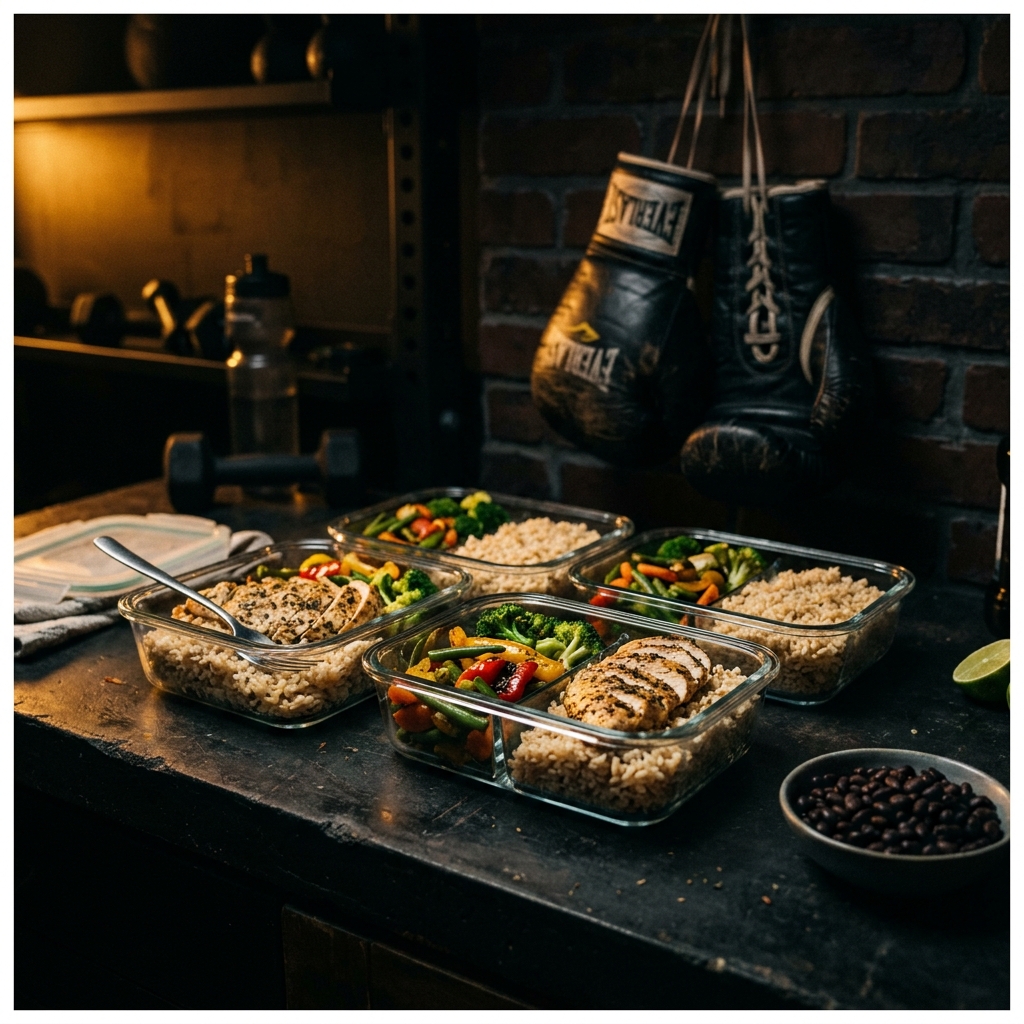
You can have the best technique in the gym, the sharpest boxing, and the most submission-threatening guard — but if your nutrition is garbage, you'll never reach your potential. For MMA fighters, food isn't just fuel. It's the foundation that determines how hard you can train, how quickly you recover, how well you make weight, and how much energy you have when the cage door closes.
This guide covers the essential nutrition principles for combat athletes. Whether you're training for fun, preparing for your first amateur fight, or competing at a high level, these fundamentals apply across the board.
Macronutrient Basics: Protein, Carbs, and Fats
Every food you eat breaks down into three macronutrients: protein, carbohydrates, and fat. Each plays a specific role in athletic performance, and getting the ratios right is the single most impactful thing you can do for your training.
Protein is the building block of muscle repair and growth. Fighters should aim for 1.6–2.2 grams of protein per kilogram of bodyweight daily. For a 70 kg fighter, that's 112–154 grams per day. Spread your protein intake across 4–5 meals to maximize muscle protein synthesis. Good sources include chicken breast, lean beef, fish, eggs, Greek yogurt, and whey protein.
Carbohydrates are your primary energy source for high-intensity training. Striking combinations, explosive takedowns, and scrambles all run on glycogen — stored carbohydrate in your muscles. Aim for 4–7 grams of carbs per kilogram of bodyweight, scaling up on heavy training days and down on rest days. Prioritize complex carbs like rice, oats, sweet potatoes, and whole grain bread.
Fats support hormone production (including testosterone), joint health, and sustained low-intensity energy. Aim for 0.8–1.2 grams per kilogram of bodyweight. Sources include avocado, olive oil, nuts, fatty fish, and eggs. Don't fear fat — just don't let it displace the carbs and protein you need for performance.
Meal Timing Around Training
When you eat matters almost as much as what you eat, especially when you're training multiple sessions per day. Here's a practical framework:
- Pre-training (2–3 hours before): A balanced meal with protein and complex carbs. Example: chicken breast with rice and vegetables
- Pre-training snack (30–60 min before): A quick-digesting carb source. Example: banana with honey, or a rice cake with jam
- During training: Water and electrolytes. If the session exceeds 90 minutes, consider an intra-workout carb drink (30–40g carbs)
- Post-training (within 60 minutes): Protein shake with fast carbs. Example: whey protein with a banana or dextrose powder
- Post-training meal (1–2 hours after): A full meal with protein, carbs, and vegetables. Example: salmon with sweet potato and broccoli
The post-training window is critical for fighters who train twice a day. The faster you replenish glycogen and kickstart muscle repair after your morning session, the better you'll perform in the afternoon. Don't leave recovery on the table by skipping your post-workout nutrition.
Hydration: The Most Underrated Performance Factor
Dehydration of just 2% of bodyweight can reduce performance by 10–20%. For a fighter who trains in a hot gym wearing protective gear, fluid losses can be massive. Aim for a minimum of 3 liters of water per day, plus an additional 500–750 ml for every hour of training.
Add electrolytes — sodium, potassium, and magnesium — especially on heavy training days. You can buy electrolyte tablets, or simply add a pinch of salt and a squeeze of lemon to your water. Monitor your hydration by checking urine color: clear to pale yellow means you're adequately hydrated. Dark yellow is a warning sign.
Weight Cutting: Do It Safely or Don't Do It
Weight cutting is a reality of combat sports, but it's also one of the most dangerous aspects if done improperly. The safest approach is to stay within 5–8% of your competition weight year-round. Chronic large weight cuts (10%+) degrade performance, increase injury risk, and can have serious long-term health consequences.
If you need to cut weight, work with a nutritionist or experienced coach. The process should involve gradual caloric reduction over 8–12 weeks, maintaining protein intake to preserve muscle mass, strategic water manipulation in the final 24–48 hours (under professional supervision), and a structured rehydration and refueling protocol after weigh-ins.
Never attempt a water cut without guidance. Fighters have died from extreme dehydration. Your health is always more important than a weight class.
Supplements That Actually Work
- Creatine monohydrate (5g daily) — proven to improve strength, power, and recovery. Safe and well-researched
- Caffeine (3–6 mg/kg bodyweight) — enhances focus, reaction time, and endurance. Time it 30–60 min before training
- Omega-3 fish oil (2–3g EPA/DHA daily) — reduces inflammation and supports joint health
- Vitamin D (2000–5000 IU daily) — most athletes are deficient, especially those who train indoors
- Whey protein — a convenient way to hit your daily protein target, not a magic supplement
Skip the fancy pre-workouts and testosterone boosters. The supplements listed above are the only ones with strong scientific evidence behind them. Everything else is marketing.
Putting It All Together
Nutrition for MMA doesn't need to be complicated. Eat enough protein to repair muscle, enough carbs to fuel training, enough fat to support hormones, and drink plenty of water. Time your meals around training for optimal performance and recovery. Track your intake for at least a few weeks to build awareness of what you're actually eating versus what you think you're eating.
Use MaxGrind to log your training sessions alongside your nutrition habits. When you can see how your energy levels, performance, and recovery correlate with your diet, you'll make smarter decisions — and those decisions compound over months and years into a significant competitive advantage.